
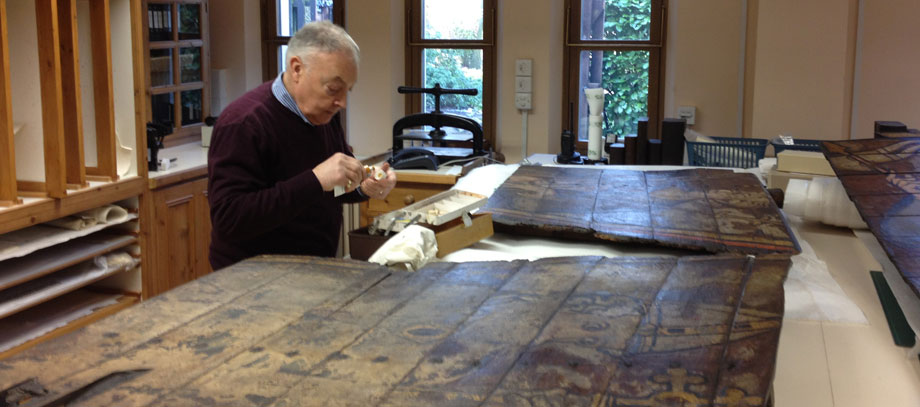
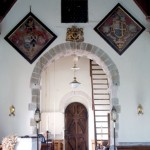
The churches and chapels of the United Kingdom are home to countless symbols of religion, wealth, power and history. None, however, are quite as distinctive and yet as little known as the hatchment. As a record of a church’s past parishioners, hatchments are as significant as inscribed plaques or gravestones, but they can also give a far deeper insight into the history of a parish. Hatchments are an invaluable resource for those interested in researching the history of distinguished local families, both surviving and extinct, and can provide a first step to uncovering a dynasty’s history.
Author Archives: WP_Administrator
Time and the Conservation of Paintings
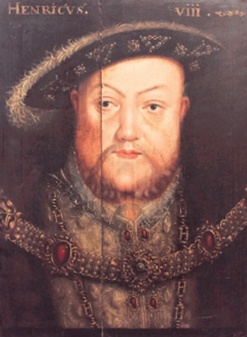
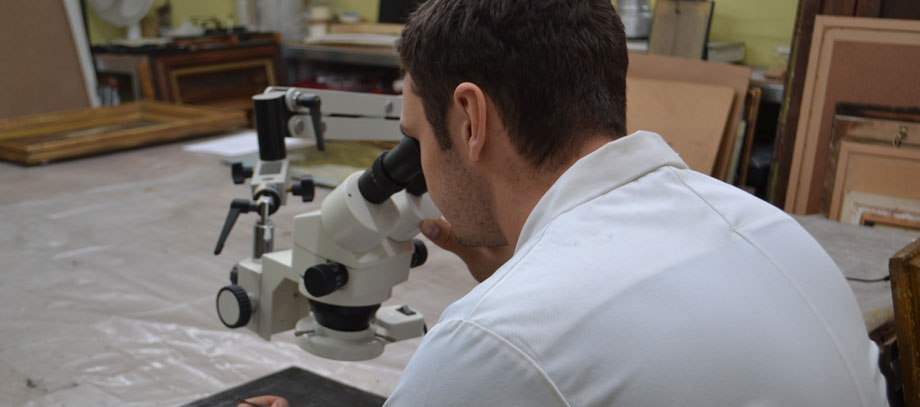
Ironically, few things today are changing as rapidly as our views on conservation. According to ECCO (see the Recommended Reading section, below) ‘conservation consists mainly of direct action carried out on cultural heritage with the aim of stabilising condition and retarding further deterioration’. ‘Active’ or ‘hands on’ conservation is commonly used to describe what is, in reality, a form of restoration.
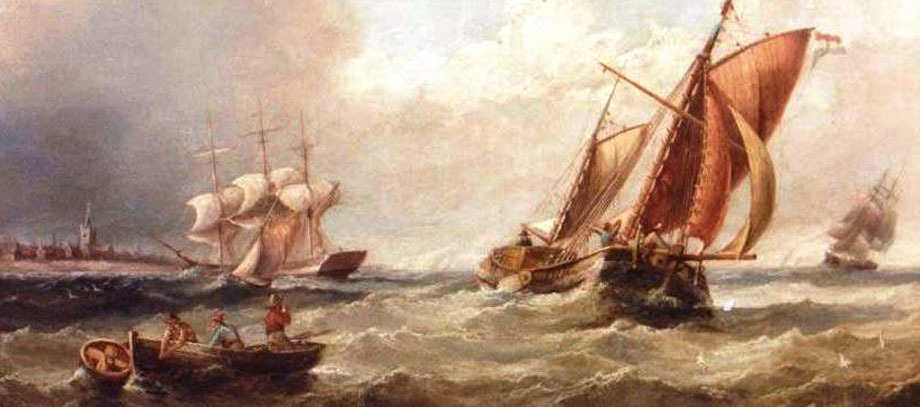
The question is whether we should be ‘hands on’ conserving or restoring paintings at all? What should we do when ordinary conservation provides insufficient defence against the more serious effects of accidental damage and the passage of time? For example, what do we do when we have carefully placed a painting on the wall, away from direct sunlight, kept it protected from extreme cold, damp or heat, and even dusted it carefully, only to find that the varnish layer protecting the painting has become discoloured with age? What do we do when, even with gentle dusting, dirt still becomes so embedded that the image can no longer be fully discerned or enjoyed? And what do we do if the paint begins to seriously crack or flake?


